Friday, 12 June 2015

Music video production log

Production log

I have been given the task of creating a music video. My task is to pick an artist and song and then analyse it thoroughly to find the best idea for a music video. I have picked the song "T-Shirt Weather" by the band "Circa Waves".

To begin my production I have decided to look in to the group that sings this song. I am aiming to find out there style to determine how this video should be pulled off.

I have started off by looking at their website
http://circawaves.com/?skipSplash=1
On their website they have videos and pictures of their music. They also have other features like their latest news and a merchandise store. By looking at these features I am able to define the kind of band they are. They seem to be an indie band who are just starting out. Because they are indie I will try and avoid making a typical chart music video.

I have had to look further in to them to find if they have a specific style. In a lot of their videos they show footage of themselves doing different things. There is generally no story. An example of this is their music video for the song 'Fossils' is entirely made up of clips of them when they were on tour.

This is the video for that song
What I can also notice from this video and some others of theirs is that they tend to edit their videos to make them look old fashioned. It looks as though it was filmed in the early 90's or late 80's. I think this defines their style and I should do this to my video. In their videos they wear very plain clothes. This tends to be a blank t-shirt and jeans. This gives them a simple appearance so I will have to try and not over complicate my video.


This is a lyric video to the song I will be making a music video for.


I have searched for a document with the full lyrics. This screenshot shows what I have found. Now I have this I will begin analysing the song to find the meaning behind it. The song is pretty self explanatory from what I can gather. I believe the song is showing how the singer misses being younger and being able to enjoy the summer time. He basically explains how he does not enjoy himself as much anymore. I can gather this as T-shirt weather obviously refers to summer as this is hot weather. He says in the lyrics that he remembers it. This is not implying that there is no hot weather anymore as this is something that will and always has varied. I think he is implying that he cannot use the phrase T-shirt weather anymore as he cannot go out and enjoy it. People use this phrase when they have been out in the sun. From this one phrase I think that the singer is saying that other things are getting in the way of him going out and enjoying the sun. Other hints towards this are that through the whole song he is referring to past times. An example is when he says '17 went far too quick'. From this I believe he is talking about the age 17. He is saying that it didn't feel like he was 17 for long until he turned 18. This gives me the idea that this was the last year where he could enjoy the summer. When you turn 18 you often go on to get a job or to further education like Uni which would mean your time would be taken up and you wouldn't be able to enjoy the sun. This is the point I think they are trying to make. They want to be young and enjoy their summers again.

The song is fast and up beat so I think i should make the video more positive. This means I will try and avoid making a depressing video that shows someone living a boring life and not enjoying the sun even though this is what the song is about. Instead I think I will make a video of the opposite. I will try and make a video that shows someone young out enjoying the sun so it gives the idea that they are reminiscing to their youth. 

When filming my video I have decided that I will go to Stewarts park. As it is the start of summer, the parks will be full of people that will be out and enjoying the sun. Also, Stewarts park isn't too far from where I live and so should be easy for me to access. I am going to do some research into the park so I can get an idea of what is there and where I can film. 

Image from: http://www.visitmiddlesbrough.com/the-latest/story/1652/farmers'market-and-craft-fair-returns-to-stewart-park
Image from: http://www.kbiuk.co.uk/portfolio/stewart-park-middlesborough-city-council/

Image from: http://www.docbrown.info/docspics/cleveland/clevpage15.htm
These images all show different areas of the park. I think I will film in each of these areas specifically as I already have ideas of what I can make actors do in each of them. From doing research in to the park, I have found that it is owned by the council and is public ground. For this reason I do not need to get an individuals signature to allow me to film there. Also their is no main office at the park that I can request to sign a location release as the only building there is a cafe and a gift shop and the managers of these buildings will not have rights over the whole park.

I will find actors to accompany me and I can film them enjoying the park and the sun as well as the other people who will already be there. I will now begin my script for my production. I have two people in mind to help me film. I have two friends who both live around 10 minutes away from the park so it will be easy for them to access. I am going to contact them to see that they will be free to film. I will need to send them a script so they know what will be required of them


This screenshot shows my script. This is a basic idea that I will try and follow when it comes to filming. I have showed this to my actors and they are happy with it and agreed to take part in the production. I have included a shot which involves the actors playing football. I have added this because I know both of my actors are talented at football and so it will be entertaining to watch. We have all agreed to film on Tuesday 26th of May. This is a useful day for me because it is during the half term holidays so I will have all day to film. Also, because it is half term there will be plenty of young people at the park so it will look busy which I think will make my video look more effective and help get the point I am trying to make across. The song is about being young so it will help if there are a lot of young people around. 

I am going to carry out a risk assessment now so that I can identify any problems that may occur and can try my best to prevent them from happening and keep my team and the equipment safe. 


These pages are of my risk assessment. I have identified any risks I can think of. There are not many risks at all as the majority of the park is just open space so there is not much that someone can hurt themselves on and there isn't much around besides people that could damage equipment. When I meet up with my actors to film, I will have to make sure they sign a release contract so they understand what is being provided to them and what is expected of them. 

I believe I have completed everything I need to before I begin filming. I am going to book out some equipment that I will need to film. The equipment that will be available to me for filming that I will use is a black magic camera, a small tripod and the battery pack to go with the black magic. I will need to arrange a day that I can pick up the equipment as this is being filmed in the half term so I won't be able to go whenever I need it, I will need to find a day that the technicians are available to give me the equipment. I have emailed the technicians to ask when they are available.


It is the day I am supposed to be filming however I have only just received an email back from the technician which meant I could not give my actors the go ahead on filming and one of them has cancelled on me. Also the weather is not as good as expected and the weather is important to the production. For these reasons I have decided to cancel my plans of shooting. Due to other my other attachments (mainly work) I cannot film for the rest of the week and I have decided that I will make a found footage music video instead so I will have something to hand in on time. My found footage video will have a similar theme to my originally planned music video. I will find multiple clips of summer and summer activities and cut them all down to fit the music. This will fit to the music as it is still representing young people in warm weather which is what the song is about and what I am going to film.


I have recently received extra time on this assignment which means I can go and film my original idea. My new film date is Saturday 6th of June. I have already got in touch with my actors and they can both film on this new date. I have also booked the equipment to pick up on the Friday and can return it on the Monday.


It is Saturday 6th of June and I have just shot my music video. Once again I encountered multiple problems however I managed to overcome them. This was necessary as I did not have enough time to cancel another shoot. My first problem was the weather. It was sunny outside which is what I needed however there was a lot of wind. This was a problem as if I got a shot and it was clear there was wind then it would take away the idea that it is summer. I overcame this problem by trying to shoot when there wasn't much wind however you cannot predict when the wind will blow so with some shots I just had to leave it and try and avoid filming anything which would be affected by the wind. 

My second problem which had an even bigger effect on my project was one of my actors didn't show up. This was because he had other commitments to attend to and could not get to the park until 4 o'clock at the earliest which was too late for me as the park would be almost empty at this time and other people would make the video look more effective. To get around this problem I decided to make the music video first person. I still had my other actor show up so I filmed it from the other persons perspective. This does not look as good as it could have as some of the footage is now shaky. Also, I could not get some of my planned shots in and instead had to improvise and as I had to think up on the spot these new shots don't look as good. Besides these problems I am pleased with the footage I have and will have to make do with what I have because I don't have enough time to film again. I am going to go straight into the editing process. 

I have ingested my clips through Adobe Prelude and put them on to Adobe Premiere Pro. This is the program I will be using to edit my footage and make my final music video. 


This shows that I have Imported all my clips on to Premiere Pro. My next step is to cut them down and add them on to a timeline. I will be cutting my clips so that they cut to the beat which will make it look more fluent when played with music.


This is a screenshot of my finished timeline. This shows that I have cut down multiple clips and put them on top of music. The smaller clips have been put on the row above so it is easier for me to select them. Now I have all my clips together in a timeline, I need to colour grade and correct them. This is a necessary as they are all shot on a black magic camera and so they all look grey and bland. I am going to make them brighter and more colorful. 


This screenshot shows all the different effects I have added to one of my shots. I have added pretty much the same effects to the other shots however I have altered them to fit each shot specifically. 


This screenshot shows one of my shots after I have colour corrected and graded it. It is a big difference. Colour correcting has allowed me to give the shots more of a summer time look by making them brighter. 


I have finished correcting and grading all my shots which means it is time to export it and upload it to YouTube. 


This is a screenshot that shows me exporting the video. I have altered some of the setting so that it comes out in the highest quality possible. 


https://www.youtube.com/watch?v=gnOGILNjGRE

Here I have included a link to my video.The screenshot shows that I have uploaded my video to YouTube after exporting it. I will now submit it and complete the assignment. 

Tuesday, 2 June 2015

Producing factual and news programming

Introduction
Public radio stations are non-profit organisations. They are generally funded by the government. In the UK the biggest public radio stations are created by the BBC. The BBC are funded by the license fee that everyone who owns a television must pay. This cost funds all BBC TV, Radio and websites. Due to public radios being payed for, they do not have any advertisement breaks and just flow through their programs. The BBC host a wide range of different stations. They have tried to aim and create a different station for different generations and interests. They have done this by playing different eras of music on each station and sharing different news and stories. An example of how they have done this is on BBC radio 1 they have a target audience of 15-29 year olds so they play and promote new music and artists and only share news that a younger audience would be interested in. This is different to BBC radio 2 as they have a target audience of anyone over 35 so they play music from any generation such as the 80's and they also share all the headlining news stories that an older audience would be interested in. The BBC also own radio stations that are specifically for certain areas of Britain. These stations share more news that is specific to that area that other places wouldn't be interested in. My local BBC station is BBC Tees. This station shares stories that will effect people in the Teeside area and generally miss out stories from other areas,

Private radio stations are also known as commercial radio stations. These are stations that are owned by private corporations. They are used to make money. They are not paid for by a license fee or the general public at all so they have to make money elsewhere. The main way of doing this is by advertising. Other companies can pay the station so they can broadcast a radio advert that will promote their company. Adverts tend to vary depending on which station they are advertising on. Companies tend to look for a radio station that has the same target audience as them so they have a higher chance of persuading more customers to buy from them. Other ways Private stations make money is by hosting competitions and events that people have to pay for to participate in. These events will change depending on the type of radio station. An example of a private station is Capital FM. Capital is a large station that is listened to throughout Britain. As it is so big they can afford to host events like the Capital Summertime Ball. It is expensive to host something as big as this however they will make a lot of money from selling tickets and merchandise and it will earn them a lot of recognition.

Community radio is the final form of radio broadcasting. A community radio station covers a small area that is usually no bigger than 5km in radius. Like public stations they are also no profitable, if someone were to run one it would be seen as more of a hobby then a proffesion. This means they have to put any money they make back into the radio station and can not use it to make money for themselves. Community radio stations are generally made for very specific topics. There are a lot of community stations that are aimed at religious groups. These are useful for anyone in this religious group as they can specifically intake news that will effect their religion and not have to listen to other news they might not be interested in. Other community stations can focus on specific interests that are aimed at a minority of people. This could be a certain type of music or a hobby that a lot of people might have. Anyone can host a community radio station as individuals do not need a license to do so. Companies must apply for a license and the request must be accepted by Ofcom.

Different types of speech programming
One type of speech programming is factual programming. A Factual programmes aim is to provide entertainment by broadcasting an interesting topic and sharing the facts of it with the listeners. For this reason, factual programmes most commonly come in the form of documentaries. Factual programmes often broadcast information that has been released on a topic and quite often include interviews. This is done because they aim to give the listener as much information as they can on the topic to keep them interested on it and make them tune in to their programmes more often. One of the factual programmes I have researched is on BBC Radio 2 and is called "Thirty years man and boy-a calmer chameleon". This programme was based on the life and career of the artist Boy George. This is set out in separate episodes. This is done on purpose because it is aiming to make people tune in each week or so to listen to this specific programme. They know that people who enjoyed the first episode will tune in again to find out what the rest of the story is. In this specific factual programme they tell the listener what had been discussed in the previous episode. They then have interviews with other people who know George and play some of his music.This is because people will be interested in what others have to say about him and playing his music might remind you of him or it might be what is being discussed. Finally they have a long interview with George himself where he discusses his career and life. This will be the same in each episode.

News programming is the other form of speech programme. The purpose of a news programme is to inform the listener of recent news topics. The news that is being discussed can vary from anything, it all depends on the audience of the station. News programmes that are presented on radio are pretty much the same as news programmes on TV. The only difference is radio cannot give visual representations or show videos. One of the news programmes I researched was on the station BBC World Service and was the show was "BBC News Summary". This was a typical news programme. It started with the presenter introducing them self and the programme. They then went on to tell the main story of the day. This is done because this will be most important and people will want to hear about it straight away. The rest of the days stories then follow this. The stories are often accompanied with interview and sound clips to give the listener more information as to what is happening. The final stories are often more lighthearted than the rest. This is because the programme wants to leave the listener feeling good rather than depressed by the sad stories told. This is also done because these lighthearted stories are not often to important and therefore can wait until the end to be played. Other news programmes can often finish on topics like sport as this is a lighthearted subject that a lot of people are interested in.

How target audience affects a speech package
The Target audience of a speech package will massively affect the final outcome. Not one station will be aimed at everyone so they will try and do their best to please their expected audience. Target audience can be based on age, gender and interests. When it comes to radio they generally do not look at gender. Some community radio stations might aim at either boys or girls however the bigger private and public stations aim at both genders. The age of a target audience can massively affect the outcome of a programme. An example of this is a younger target audience will make a radio station play more recent and popular music as this is what the majority of younger listeners will be in to. We know this as this is what the charts are made up of. Going back to the BBC, Radio One plays all the latest and popular music as it's audience is young and Radio Two plays music that can go back as far as the 60's because this is aimed at an older audience and they might have been in to popular music in the 60's. News and Factual programmes are also affected by the target audience. If the target audience is younger then the content of the programme will generally be more lighthearted as young people won't be interested in the dark and serious stories. Also the factual programmes played on radio will vary on the target audience. They will play documentaries that will have a topic that they believe their target audience will be interested in. Radio stations will do research in to their audience to find out what the majority of them like. They will then find a good topic that relates to their interests and try and make a documentary on it.

Differences in News packages
News packages can have multiple differences depending on the audience and nature of the radio station. Every news package will do it's job in delivering news stories however not all packages will share the same stories. One of the news packages I had researched was Radio One's "Newsbeat". This is a news package that is made for a younger audience so it is delivered differently to a news programme for an older audience. The news delivered on this programme was mainly focused on sporting events and the latest news regarding celebrities. This specific episode they discussed whether or not pitch invasions in football should be allowed and then interviewed James Corden on his new talk show in America, These topics have been chosen as they are new stories that people won't know much about and this is the kind of thing that young people are interested in. Most young people will not be too interested in the worlds troubles, which main news programmes discuss, as they will not think it concerns them. Also, these radio stations will want their programmes to be seen as something young people can enjoy so they do not want to depress anyone by talking about more serious issues in their news programme. Another key difference in this news package was the person who presented it would not present any other news package. This is because it is clear the station have aimed to find someone who young people can somehow feel comfortable listening to. To make it seem less serious the presenter uses informal language and talks like anyone would in a regular conversation. The presenter would also explain certain points made on the story as they will have been trying to not confuse the listener who could have been too young to understand. This all gives a friendly impression to the programme and will make sure the listener is still happy with the station and will hopefully not tune out.

The other news programme I have researched is BBC World Service's, "BBC News Summary". This specific station has been made for anyone around the world to listen to. It is mainly targeted at British people who are not in Britain and can't access the usual British radio. This station is mainly used for news as this is what people abroad will probably want to know most. Because there is only one BBC World Service they have to please the vast majority in this station and get all the important things down. For that reason the programme is mainly aimed at adults as a younger audience will probably not be interested in it. There is only one presenter in the programme and he speaks in a very formal tone. This is necessary as they might be broadcasting to an audience that are not British as it is a world wide service. If the presenter was being informal using slang and had a difficult accent to understand then some foreign people would not be able to pick up everything that was being said. The stories covered in this are all about the biggest headlines around the world. These are the important stories that most people should be aware of and so this is what is discussed. Due to the deep content behind the news, the presenter can not give a friendly impression as it may give the audience the idea that they are not taking the news seriously and it is not important. The presenter will give the clearest representation he can of a story so the listener can clearly take in what the stories are about. The programme expects the audience to be able to understand it as they will be adults and do not need things explaining to them.

Differences in Factual packages
Just like news packages, Factual packages also change depending on their audience. Factual programmes would never be produced without taking into account the audience it will be showed to. This is because they are created to entertain the listener and to keep them listening to the station. I researched two different factual radio programmes. The first was BBC Radio Two's "Thirty years man and boy-a calmer chameleon". As mentioned earlier, this documentary is about the singer George Alan O'Dowd or more commonly known as Boy George.  The audience for this would be middle aged adults who were listening to the charts when Boy George's band was in it. This will roughly be people in their early 40's. This topic would have been carefully chosen as the station will have wanted to find something that this age group would be interested in. If they had chosen a brand new artist to document then no one would listen to it as a lot of the regular listeners would not know who this artist is. Boy George was also an ideal person to make a radio documentary on because he has had his career making music now so there will be a lot to tell. He was also a big and famous artist in his time who had a very individual look and style which makes him even more interesting to listen to as he can explain why he had this look and the outcome and so on.

The other Factual radio programme I had researched was BBC Radio Four's "23 amazing reasons this radio programme will change your life". This is a programme that discusses how journalism is changing over the internet. There is no specific age group for radio four, it is labeled as a service for anyone looking for intelligent programmes. That being said, the larger majority of radio four listeners are adults. For this reason and the nature of the programme I believe this specific programme is aimed at young adults (20) on wards. They have tried to make this less serious as it is supposed to be a lighthearted programme so there is two presenters in this show who can converse over the topic which can be quite entertaining depending on your sense of humor. This is different to radio two's documentary as there was only one presenter who would interview other people. During the programme the secondary presenter would sometimes stop the other presenter and make him explain technical terms. This is most likely rehearsed as they are aiming to educate their older listeners with technology as this is something they might not be familiar with. They try and pull it off in a way that seems funny as some might be able to relate to how the other presenter keeps getting confused with technical terms and is having to interrupt constantly. For a younger listener who already understands the technical terms, like myself, you might not find this as funny and more irritating, like myself. This is why it is more aimed towards adults who will not be as bothered by their so called comedy.

Legal and Ethical considerations
Like all media productions, there must be legal and ethical considerations in place when making a news or factual radio programme. When producing the programme you must have the best intentions and try your best not to break any law or offend anyone. Their are many rules or guidelines that must be followed to avoid getting in any trouble. When doing my own research in to news and factual programmes I looked out for anything that could be in breach of any legal and ethical guidelines. In the Radio four factual programme I found that a lot of what they said was very opinionated. This is because they only really speak to people who are involved with the websites that they are talking about in the programme and not to anyone else who they might affect. Although it is not a major controversial issue, I think all radio programmes should aim to get two sides to a story. This way people can make opinions of their own as each point has been given a fair chance to be put across. Also, If it is not opinionated then someone who has a strong opinion already has no good reason to get offended so you would avoid complaints from people like them.

Another breach I saw was in the news programme by BBC world service. They were almost perfect for not breaking any rules as they gave accurate and unbiased information out however some of the language they used was quite graphic. This is a problem as they do not stop or warn younger viewers from listening and so they might put gory images in their heads that parents will not want. The programme has done this because they want to describe stories best they can so the listener can almost get a visual of what has happened. Some parents will not want their children to hear of such graphic events as it might give them violent thoughts or scare them. This is breaching the protecting minors guideline.

Thursday, 28 May 2015

job opportunities part 2


In media there is no way that you can definitely get a job. There are many different routes that you could take, some better for different jobs. Many jobs in media look for certain things when hiring someone as they are trying to find the best person suited to the job, these are things like experience or degrees. Some ways to get a job in the media sector are:

Job Application
A job application is quite self explanatory. It is an application form in which you apply for a job from which you could probably guess. Job application forms are usually handed out by the company or employer. They are given out when a company is in need of new employees and then unemployed people can hand a completed one back so the employer can see if they are right for the job and then move them into a further process. If someone returns a good application form then they usually have to follow this up with an interview or a trial shift or both. After this the employer should know whether they are suitable for the job. In media, you might often find job applications come when freelance jobs are needed. These kind of applications would usually require you to show some of your previous work that relates to this job. By doing this the employer can see how skilled you are in this area and whether or not you would be suitable enough for the job.

CV and Covering Letter
A CV stands for Curriculum Vitae. They are used to show a persons experience and qualifications. They can also be used to tell a bit of personal detail about someone. A CV is used when applying for jobs as it shows the employer what the person has achieved. CV's are almost always required when applying for a job because the employer will compare them all and see who is most fit for the job. A CV will often contain:

  • GCSE results,
  • College qualifications
  • Degrees,
  • Previous work 
  • References. 
All of these can influence an employer's decision to hire you. A covering letter is accompanied with a CV. They are used to tell the employer why you are handing them a CV. You might write on this which job you are applying for or you could just explain that you think you would be suitable for a job there. Covering letters can be important because otherwise an employer might not look at your CV because they don't know what you want from them. A covering letter can also be used to explain how you have heard there is need of staff.

Portfolio
A portfolio is a folder of work that you have previously created. These are used to show employers that you are capable to take on their job. Portfolios can be made up of work that you have done from previous jobs or work that you have done on your own in which you have been self employed. In media, a portfolio can come in the form of a film reel. This is a short production in which clips of everything you have done are shown. If you are trying to get a film job then it is vital that you have a good show reel because then the employer can judge you off how good your past work has been and can decide whether or not you're capable of carrying out this project. The better the film reel or portfolio, the better the job you can get. Portfolios are not usually judged on how much work you have done however it is good if you have done a lot because it shows experience. Portfolios are more judged on the quality of the work you have done. Sometimes people show some of the not so good work they have done and their best work in a portfolio because this shows they can learn and are improving. This can give the employer the impression that they will have improved since their last job and therefore will produce good work.

Professional Website
A Professional website is another way that you can earn a job. This can be done in two ways. One way is that you could go on to someone's website and apply for a job through there. A website might have links to application forms or simply give you information to a job interview that would be available. On a website you are probably most likely to find out what they are looking for and be able to check to see if the job is right for you. The other way that a professional website can help you get a job is if it is your own website. You could set up a website with information about you and all your previous work. The website can contain your CV and portfolio in one. Employers might stumble across this when looking to hire and contact you about a job vacancy. Otherwise you could send employers the link to your website so they can find out everything they need to know straight away online. In media there are many jobs that would make you a freelance worker so having your own website would be very useful as you would always be looking to work and so it would be even more sufficient if people were easily able to contact you about hiring.

Networking Online
Networking online is when you as a business or company try to meet other businesses or companies over the internet. This is useful as you can get more work through them. You can pick up jobs that others want to get rid of or find out where other companies are struggling and help them out. Being your own business does not necessarily mean working as part of a big organisation. Being self employed would make you own your own business. Networking online is useful as you can reach people who can actually help you progress with your career a lot easier than trying to go out and find them yourself. An example of this in media is if you have a degree and skills in radio then you could use online networking to find a radio station that could take you on.

Recommendation From Clients 
This is one of the best ways to get into work. A recommendation would usually mean you can skip the application process. After being recommended by a client, depending on the job you could either go straight in to an interview or go straight into the job. An interview after a recommendation is generally to find out if you are who you have been made out to be. By being recommended, someone will have mentioned, to whoever is in charge, the good work you can produce and let them know that you would be suitable for the job. This can put you above everyone else who would want the job as they may not have been recommended. This way of earning a job is not exactly the easiest and it should not be relied on because you generally need to know someone who is already involved with the business or media project. It would be very rare that someone you didn't know would recommend you as they will have had to have seen a lot of your work. For this reason the other procedures of finding a job should still be carried out and through these you could meet someone who would late recommend you for a job.

Work Experience/Voluntary Work
Work experience and voluntary work can help out massively when looking for a job. It is usually easy to get as well. When taking part in work experience you would not be earning any money which means that there are many companies that would be willing to take someone on to do it. Work experience allows you to get vital knowledge on a workplace in which you could see a career in. Employers look for this kind of experience as it means that they are risking less mess ups because the employee will already know what they are doing and what is around them. By doing work experience you can also improve your skills in that particular area so when the time comes that a job is available to you ,you will be more prepared to take it on, Work experience can also build on your portfolio meaning more people are likely to hire you as you will look more professional. Companies that take on people for work experience can often hire them later on when they need someone as they know that this person is familiar with the work they do and they know of the standard of work they produce.


When you have a job, there are a lot of standards and procedures that you would need to follow. If these are not followed then you are risking and are likely to lose the job you have. Some aspects of professional behavior that you should have are:

Reliability
It is important to be reliable in a job otherwise your employer won't be able to trust you to work for them. Being reliable can range from a lot of things. This can be getting all your work done on it's deadline. If you can do this then your employer can rely on you to get work done and you could be looking at a promotion if you continue to be reliable. This is because the employer will want someone that they can rely on to do more important work. If you are not reliable then you are looking at being fired because if you are not getting work done on time then there is no point in you doing that job at all. If you work in media as a health and safety officer and you are not getting your safety reports in on time then you would be holding up the whole media project. This would mean you are not reliable and you would probably be fired so everyone else can do their job to a schedule.

Attendance and Punctuality
This is a very important part of having a job. Attendance and punctuality mean that you are at work all the time and on time. If you never show up to work then you are being paid for nothing so you would be fired as anyone would rather hire someone who is actually willing to work. Bad punctuality is not as serious of an issue as bad attendance but it can still lead to getting you fired. If you are late then you are holding everyone up and all the work will be held back and will mess up a schedule. There are some exceptions to missing days or being late such as if you are ill however there are no exceptions if you don't work because you don't want to. In media you could be working on a big project and if you don't show up then everyone else might have to cancel that days work as what they want to do can't be done without your work. If you are late then you could push back everyone's work which would not go down well with others.

Commitment 
Being committed to your job is an important aspect, especially in big media related jobs. Being committed to your job means that you don't let other things get in the way of your work and your work always gets done appropriately. If you are not committed then you are not reliable and so an employer might hesitate to give you work. In the media sectors it is important that you are committed to your work because if you are not then there is the risk that the final product of your work will not be to a good standard, Because almost every sector in media produces final products that go to the public, every product should be to the best it can be. If you weren't committed then you probably won't put everything you can into the work you done.

Efficiency
Efficiency in work is basically saying that you should get a good amount of work done. If you have to hand in work then you would hand in lots of work if you had been working a lot. This would make you efficient. If you weren't efficient then you would be getting no work done or not the amount expected of you, A job in media where you would need to be efficient would be a story board artist. You might be expected to create a set amount of storyboards in a week and if you can't do that then you are not being efficient and you would probably not be hired in the future as you are taking to long to produce work. Also not being efficient could mean that you aren't producing work to a good standard that would match the supplies you have and the time you have. You should produce the best work you can to be efficient.

Self Presentation
Self presentation is how you portray yourself to others. You should always look appropriate to what you are doing at work. If you are going to be discussing business with clients then you will want to look smart and presentable. This is because many people judge others on their appearance and if you look scruffy then someone might think you don't know what you are doing and you're not prepared. This can put someone off doing business with you. Self Presentation is not always about how you look. This can be how you present your personality to others. It is important to know who you are presenting yourself to. For example if you were serving customers then you would need to be polite and kind towards the other person. In media it is important to portray yourself correctly as you might be trying to sell a production of yours on to a distributor. If this was the case then you would want the distributor to think that you are a smart client that knows what they are doing and knows how to make money for everyone. If you are not portraying yourself correctly then you would probably not make any clients and in turn not make any money.

Communication Skills
Communication skills are important in every job. If you have good communication skills then you will make your job a a lot easier. You need to be able to communicate with the people you work with and any other people you might come across when working. If you don't communicate with the people you work with then you are risking more mistakes and you will probably clash with each other as you are not all doing what each other expected. You also need to be able to communicate with clients to give yourself the best chance of making money. If you are working on a film set then you need to be able to communicate with other film crew so you all know what needs to be done and how it should be done. This way your production will be done quicker and the way you want it. Communication skills can be anything like listening to other people's ideas. This can be helpful because then you can get the best idea through and finish with the best possible product.

Contribution
Contribution is important because no employer will want to pay you to do nothing. Some jobs measure the amount of work you do and pay you off that so if you didn't contribute then you wouldn't get paid and it would be pointless having a job. If you don't contribute when working in the media sector then the final product that would come of the project you were working on would not be as good as it could be and you would have let everyone down. Another reason why contribution is important is because only by contributing can you improve your skills in that job and earn vital experience that it useful for other jobs. If you work on a radio station as a presenter and you don't contribute then you would be leaving all the work to other presenters and no one would be interested in listening to you and you would make the station less entertaining.

Personal responsibility
An important aspect is to take responsibility for yourself. You can't rely on other people to watch out for you as then it is taking them away from their job and less work is getting done. Being responsible for yourself is making sure everything you do is appropriate to your job. Making sure you don't do anything wrong. It can also mean that you look after yourself. You will be putting a hold on everyone's work if you are constantly getting hurt and need seeing to so if you look after yourself then there is no need to stop working. Personal responsibility can also mean that you take responsibility for your actions and that means your mistakes as well. It is important that you know where you went wrong and can admit to it so that there is no delay in working. Other people can't be blamed for your mistakes otherwise some unnecessary actions could take place towards to that person that they don't deserve and you would probably have to face worse consequences if you do not own up to your mistakes and get caught.


Friday, 22 May 2015

Stop Motion assignment

Stop Motion Assignment

There are many different forms of stop motion that i could choose from to make my own animation. One of my preferred methods of animating is model based. This is a stop motion animation that uses different types of models to create a story. The models are often materials like clay and plastercine however any 3D object can be classed as a model.


This is a model based animation used making clay, claymation. In the video there are different clay created characters. The characters change colour due to what appears to be an infection which is also displayed using clay. The background to the animation is just a table. This shows that the animation has just been filmed there and there was no green screen or background.


In this video there is a different type of model being used to make the animation. The models used are lego. This is a good model to use as they are easy to adjust and can be taken to pieces for convenience. In this animation we see a set of police characters chase some criminal characters.


In my own animation I think I will carry out a similar idea to this. I will create a short animation using lego pieces. My animation is only going to be short and as I am not experienced with stop motion, my own animation will be simple. I will most likely get a few lego figures and make them walk them up and down. To do this i will make them move ever so slightly and then take a picture. I will keep doing this until I have around 15 seconds of animation.


My next step is to create my animation. To do this I am going to have to get a Hue webcam to plug in to the computer and multiple lego people and pieces. I already have iStopMotion 3 installed into my computer which is the program I will use to record my animation. I am just going to set up the animation on my desk as it will not take up much room and by doing this I can have everything i need around me.  The college have provided me with a handful of lego pieces.

I have went out and recorded my stop motion animation. In my animation I have made two lego characters walk up a set of lego bricks. The quality of the animation is not as good as it could have been however it still fits the criteria of the brief. To improve I could have taken a bit more time when moving the figures and aimed to get better shots.

I am now going to add in a set of titles to my animation. I have added one at the beginning and the end. The one at the beginning reads, 'Lego animation' and the one at the end reads 'By Daniel Appleton'.  To add in these I have exported my animation and have put it on to Premiere Pro.


After I have done this I am then going to add in some sound effects. I have already got a sound effect of someone running however it fits in nicely for when my characters are walking forward. Now I have put my animation on premiere pro it is easy for me to add in the sound effects.


This shows I have added in my sound effects. Each sound is the same effect but I have just split it and cropped it so that it fits in with the animation and is played at the right times.


Now I have added in sound i have completed my animation. I am now going to export it and submit it.


Now I have finished my animation I can watch it over to see what I did well and where I can improve it. I think the best part about my animation was the sound effect. It was only the one sound effect however it seemed to fit in well with the animation. It was all in time with what was going on. To improve my animation I think I could have took more time on it and made the overall product look nicer. The camera was quite shaky and some of the pieces didn't stay in the same place. Also the outcome did not look of a very good quality. This could have been improved if I had added in some alternative lighting.

I have requested that the rest of my class give me feedback on my animation. I have uploaded my video on a padlet page and have shared it with everyone else.

http://padlet.com/danielappleton9/j3f3nv6s0gwx

This is the link to my padlet. As shown in the screenshot there has been multiple comments from other people which gives me feedback on my animation. Some of the comments I received did not add up and I realised that I had not uploaded the correct version of the animation. The version I had uploaded was one without sound or titles which explains why some of the comments mention I lack these things. Some of the comments give me feedback on things other than the sound and titles. Some of them say that the lighting could have been improved to make it look more professional.


This is a comment on the lighting made in padlet.

The lighting does seem to flicker as there was no set piece of lighting so as the lights that surrounded the set changed, the appearance of the animation changed.


 Another improvement that was pointed out was that I could have made more of a story. This is reasonable as all the characters do is walk so it is not very interesting to watch.


If I were to change my animation from this feedback I would place an external light source by my animating set to stop it flickering so much and give it a better quality. I would also try and change the animations story line so it is not so boring. I could make the characters run and jump over obstacles.


In this screenshot I have put 2 different shots from my animation. It is not clear to see however the lighting is different in both of them. If you look at the far left of each picture it shows that the shot on the left is slightly lighter.


I don't think I will make these changes because to make them I would have to redo the whole thing again. Also my animation fits all the requirements that was set out for me, even if it is poor quality and really boring. For this reason I don't think that there are any major things I need to change in my animation and I will get away with how it is.


Thursday, 14 May 2015

Job opportunities

Types of contract

Full Time contract
A full time contract is given to someone who is looking to work most days in a week. A full time contract is usually a career for someone as it takes up so much time. A full time and part time contract is defined by the employer. A full time contract generally has more hours and pays more money than a part time contract. Someone on a full time contract is entitled to such benefits like holidays and health insurance. The person is entitled to this when they sign the contract. A full time contract in the UK is usually around 35-40 hours a week. This is commonly spread over 5 weekdays and is usually 8 hour days, most commonly 9am-5pm. 

Part Time contract
A part time contract is very similar to a full time contract however it is just less hours and less pay. Part time contracts are most often offered to students as they can work there around their education and generally don't need too much money as they won't have bills to pay. A part time contract often provides minimum wage. Minimum wage depends on the age of the person. 
  • Apprentice=£2.73
  • Under 18=£3.79
  • 18-20=£5.13
  • 21+=£6.50

This is the current minimum wage, the number has been rising over the last few years. An employer has the right to pay someone more than this wage however they cannot pay any less to them. Part time employees generally start on this wage and then the longer they are with the company the more money they can make. If they are with the company long enough then they may be given the opportunity to sign a full time contract and make more money for more hours.


Freelance
Freelance work means that the worker is self employed. They can work with other companies however this is usually just companies that help them promote their own business, such as online based companies. As a freelance worker you would often look after your own tax and national insurance contributions. As they are not employed by anyone they are not entitled to the benefits that full time workers would be. They have to take whatever money they make themselves, they can't claim minimum wage of anyone so it is important for a free lance worker to get a lot of business. This does mean that they can choose how to spread their money so if they make a lot then they would be able to keep a lot more of it. There is rarely a consistent amount of money made from freelance work. Freelance workers are not restricted when it comes to things like holidays however if they take a lot of days off then they would be loosing a lot of money.


Hourly paid
Someone who is on an hourly paid contract basically gets what is in the name. They get paid a certain amount each hour they work. People on these contracts do not often have a set rota of when they work. In some cases they can just be called in to work when they are needed and then get paid at the end judging by how many hours they were called in for. In some other cases they may be on a contract that only employs them for a certain time. An hourly paid contract is a lot like a part time contract as it not something you can call a career.


Piece Work
Piece work is when an employee is paid accordingly to the amount of work they produce rather than the time they have been working. This could be the number of tasks they complete or the number of products they produce. Like freelance there is not always a consistent pay. One of the differences between Piece work and freelance is that a piece worker has to get their minimum wage and the rest of their money just gets added on to that when their amount of work is totaled up.


Different areas of media


Creative
The creative side to the media sector is where all the ideas for productions come from. People who work on the creative side of a production usually start it off as they need to come up with an idea that they can let the other sectors work on. An example of a creative job in the media sector is a writer. A writer is in this sector as they create scripts for a production and so there whole job is based on being creative and coming up with new ideas for scripts. The creative jobs are probably the most important as without them there would be no production. Another job in the creative sector is an artist. Artists can have different jobs to do with different projects. If there was a film being produced then an artist would be needed to draw up storyboards or make designs of things that will be in the production.


Technical
The technical side of the creative sector involves the people who actually make the production happen. They are the people who use the technology to create the production. These are people like camera men. The camera men are technical because they use the cameras provided to record footage. Another technical job in the creative media sector is a sound man. The person with this job has to record sound on a production. This means they have to use the range of recording equipment to get good quality sound when it comes to the final project.


Editorial
Someone who works in the editorial sector would have to work on changing a project to get the best result from it. Their usual job is to make a production more fluent. This is usually by taking bad parts out and altering other parts to make them better for the consumer to listen to or watch. An editor would have to wait till all of the technical side is done and then they can can tweek their work so that becomes the best it can be. Editors have to be familiar and skilled with different editing systems so that they know what would be best to make the final product as good as it can be.


Marketing
The marketing sector is needed for when a production has finished being made. A job in the marketing sector would require you to try and sell your production and basically make as much money for it a possible. To do this, a marketer would have to go to distributors and try and persuade them to invest in the project and sell it out. Other jobs of someone in marketing would be to try and make money by creating brands and merchandise of the project. The marketing process would include lot's of research into different companies and productions and the marketer would be required to attend lots of pitches. This is because they need to try and portray their production well to others to make them invest in it.


Managerial
A managerial role in the creative media sector would be making sure that everyone else is doing their job correctly. They are in charge of everyone and would have to organise everything that goes on in the making of a production. People with managerial roles generally earn more money than everyone else. This is because they will have had experience with similar projects so know more about it than everyone else and it is a hard job to keep everyone organised. The main reason as to why they make more money is because if the project goes wrong then they have to take the blame because they are in charge therefore they need to make the most money because it needs to be worth the risk.


Administrative
The Administrative sector in media is all the paperwork and running of the sector. This is a necessary sector as a whole project can fall to pieces if someone is not there to do all the written work. There are lots of reports that need to be written up on most of the other sectors in media to help make sure that everything is going to plan. The administrators in media help to make sure there are no problems with a production as they can keep everything recorded making it easy for them to find a source of a problem and stop it getting in the way of the production. The administrative jobs are one that not many people aspire to do however for that reason they generally pay well and are not too hard to get.


Legal
The legal side to media is extremely important. If the legal areas are all kept in order then the production company should be safe. If not then they are at a major risk of loosing a lot of money amongst other things. One of the laws that is most important to take note of when involved in a media production is copyright. If something copyrighted is used then the company or person could be in danger of being sued for a lot of money. A job in the legal side would consist of making sure everything is under the law and avoiding getting in trouble for any of the work you or your company are involved in. Another job in the legal sector is health and safety. This is because by law the people involved in the production are entrusting their safety onto the production company when they sign a contract. If someone gets injured and the correct procedure has not been or is not carried out then that person can sue.


Financial
Jobs in the financial sector are people who deal with the money in a media production. This is not the same as the marketing section as the financial sector mainly deals with what money the company already has and how they should appropriately distribute it. They will be the ones who come up with an appropriate budget that lets others know how much money should be spent on what things. It is also important that the company does not go bankrupt. This is when they run out of money. Someone who is involved in finance must make sure that they have some money left over in case of any problems that occur during the process. The people in finance must be able to get the best quality of product that their budget would allow them to and not go over board with what they spend.


Job Roles in the Technical sector

Camera Operator
A Camera Operator is a job role in the technical sector. A Camera operator's job is to record footage and shots. Most of the time they follow orders from a director as to what they want recording. Camera operators are most commonly used in films and TV shows. A Camera Operator must know how to work a range of different cameras to an expert level. They do not need any specific qualification as long as they can produce good work however they usually have studied higher qualifications in film production. To become a Camera Operator it is best to start as a Camera trainee and by becoming a Camera Operator you could go on to be a Director of Photography (DoP). Camera Operators who work on films are often Freelance workers and are just hired when something needs filming. This means that they can go a while without work so there is no telling how much they make however camera operators who work on TV and have steady work generally earn roughly around £200 to £500 a day.

Image from: http://www.shutterstock.com/video/clip-4004140-stock-footage-camera-operator-working-with-a-cinema-broadcast-tv-camera.html
First Assistant Camera
This is another big job in the technical sector. Their job is to adjust cameras focus to follow the action that is being recorded. They do this by setting marks on the floor and changing the focus every time the action crosses one of the lines. This job is similar to a camera operator's so the job requirements are more or less the same. You can also get this job by becoming a camera trainee however an apprenticeship is probably best because that would allow you to get hands on experience doing the job which is important as it is such a complex task. By doing this job you could then go on to be director of photography however not many do because this is a hard enough job to get and it pays well.


Image from:http://www.fdtimes.com/2010/09/07/cooke-5i-and-arri-alexas-on-scorceserichardson-3d-cabret/

Lighting Director
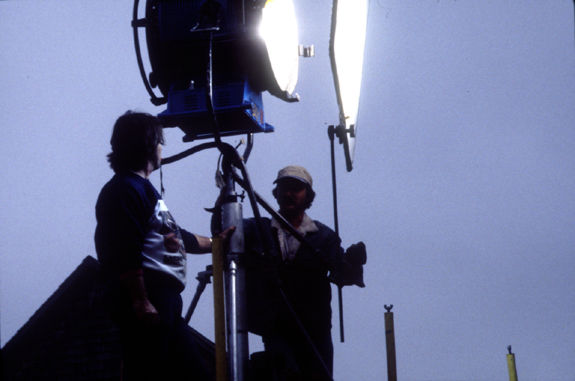
The Lighting Director's job is to create the right look for each different shot by using different lighting equipment and the help of the other lighting department. There is no specific qualification to become a lighting director however there is multiple training courses that most lighting directors complete before they take up the job. To learn how to become a lighting director it is best to actually get experience. Lightning directors with more experience get bigger jobs. Many Camera Operators have gone on to become lighting directors. The Lighting director is the head of the lighting department so there are not many related jobs that you could progress on to. People who work on lighting are also usually freelance workers so their salary would vary. The more experienced workers tend to earn more money each year. Lighting directors with little experience would usually make around £15-£18,000 a year. More experienced workers can make around £27,000 a year or even more depending on how big of a job they can find.

Image from: http://www.fullsail.edu/grads/grad-profiles/2012-02-15-craig-richter

Boom Operator
The Boom Operator's job is to control a device called a boom arm. This is a long pole with a mic on the end that records sound. It is their responsibility to get the best quality of sound as possible on a project. To be a Boom Operator all you need is a good understanding of sound recording technology. Other basic skills are needed like working well in a team and being patient. This is a fairly easy job to get compared to the others. All you need is to show enthusiasm towards the project and have a good knowledge of the equipment you will be using. Depending on who they work for, Boom Operators usually work freelance. They often work long days however this all depends on the project they have been assigned. Roughly, a Boom Operator would earn around £139 for an average 8 hour day.


Image from: http://www.domgee.com/boomphotos.html

Gaffer
A Gaffer works in the lighting department. They do a lot of work with the Lighting director. A Gaffer does not operate any of the light equipment they just manage everyone who does. They tell them where they need to be and what they are lighting. One of the most important parts of their job is health and safety. They need to make sure all the lighting team know of any risks and they know how to minimize it. To be a Gaffer you must be a fully qualified electrician. This is so you know how to work all of the lighting equipment and can assess them properly. Gaffers can often progress on to being a Lightning Director. A Gaffer could make anywhere between £17,000 to £28,000 a year depending on how much they work. Gaffers also get paid overtime money if they work more than 40 hours in one week.

Image from: http://dohistory.org/film/process_prod.html


Radio Producer
A Radio Producer's job is to create content for live and pre-recorded radio programs. Radio Producers are generally for the technical side of the broadcast that no one hears as they do all the recording of the sound. They need to ensure that the best possible outcome comes out on the radio for the listeners. Most Radio producers have a degree in radio or other media related subjects however it is not necessary. Another way people get to be a radio producer is by starting as a trainee for a larger company. After you have the experience of a radio producer, you could move on to be a presenter or programme editor. Some people stay as producers but move on to bigger companies with bigger audiences. Radio Producers can often get on a full time contract with programs. A less experienced producer can get around £16,000 a year whereas a more experienced producer can earn as much as £45,000 provided that they work for a big station.

Image from: http://feeds.feedburner.com/ryanontheradio/dyOl


TV Director
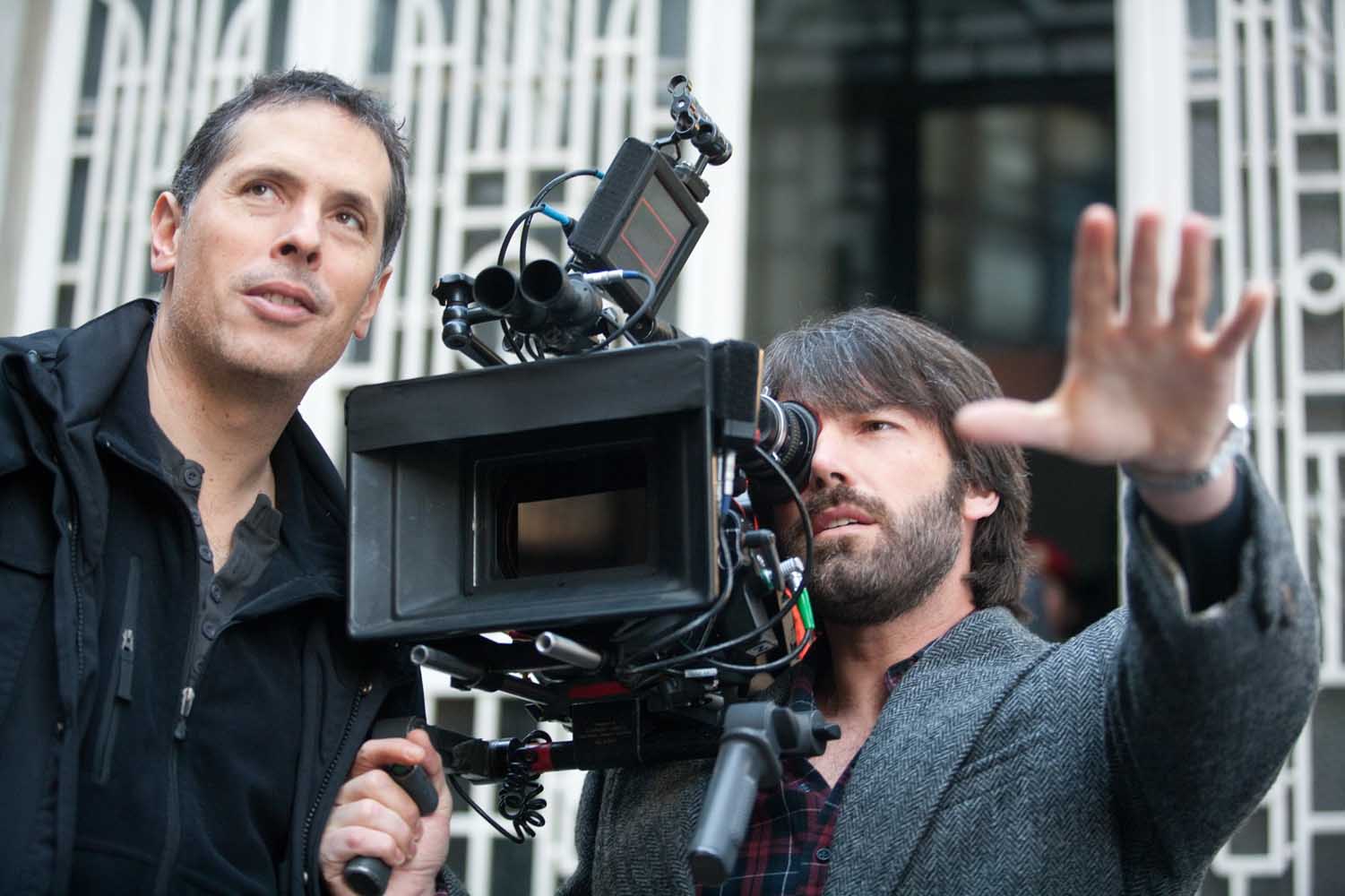
A TV Director is responsible for how a TV recording looks and sounds. They have to look at what has been recorded and enhance it to get the best final product possible. Part of their job is to make preparations before anything is recorded to try and make sure everything is done right. At the end they go over it all and take out any mistakes. A degree in a media or drama related course is usually best to get this kind of job however there are no specific requirements. You just need to be familiar with all the stages that go in to TV production and the technology behind it. TV directors make a lot of money by earning around £55,000 a year however it is not an easy job to get and requires a lot of experience in the industry to get a job like this.

Image from: https://www.creativecow.net/interstitial.php?url=https%3A%2F%2Fnews.creativecow.net%2Fstory%2F865216&id=0

Director of Photography (DoP)
The DoP is one of the most important jobs in the film and TV business. They are responsible for the overall appearance of the production. They have to work with all the lighting crew, camera crew and director to make sure they are all getting the best outcome from their fields. The DoP must ensure that anything that will appear in the production looks its best. DoP's often have a degree in photography and/or a degree in film or media studies. A lot of DoP's came up after working as a camera operator or other jobs in the camera department. You would almost certainly need to have a different job in film before you become a DoP. It can take a while to get this title however they can get paid around £63,000 a year if they get a good project as they usually work on a freelance basis.


Image from: http://fictionfield.blogspot.co.uk/2014/10/director-of-photography-ing-for-dummies.html
Radio Traffic Manager
A Radio Traffic Manager has an important job on commercial radio stations. Their job is to schedule adverts and promotions on a radio program to try and increase the money brought in to the station. Commercial stations make the majority of their money from advertising so this job is an important one. To get this job it helps to have a degree in a media related subject. The main thing is to be able to demonstrate skills like keeping close intention to detail to get the job. From this job you could move in to a big radio station but doing the same job or you could go further into TV or advertising. As this is an important job you could earn from £24,000 to £50,000 depending on how big of a station you work on.

Image from: http://www.studiomixx.com/ENG/eng_trmng.htm


Network Operations Assistant
The Network Operations Assistant has the job of making sure all productions from each department involved in TV are handed in on the deadline. They need to ensure that everything is done to a good quality before it is handed in and that it will be good enough to present. To get this job you just need an understanding of the media sector and everything that goes on in it. This job can take you on to do further Network operations. These rank from

  • Network Operations Assistant
  • Network Operations Co-ordinator
  • Network Operations Supervisor
  • Network Operations Manager 
A Network Operations Assistant is generally a full time job.


Image from: http://wcit.wa.edu.au/courses/Study-Area/Creative/Information-Digital-Media-and-Technology